Slot machines are among the most popular games in both physical and online casinos, yet their appeal goes far beyond bright lights and flashy graphics. Behind every spin lies a carefully engineered design aimed at influencing player behavior. Understanding the psychology behind slot machines helps players recognize why these games are so engaging and why certain features keep them playing longer than intended.
Slot machine designers combine elements of reward, anticipation, and sensory stimulation to create an immersive and addictive experience. By analyzing how players respond to visuals, sounds, and payouts, developers craft games that maximize engagement while maintaining a profitable house edge.
The Role of Reinforcement Schedules
Slot machines rely heavily on reinforcement schedules, a concept borrowed from behavioral psychology. Players are rewarded at variable intervals rather than fixed patterns, which increases engagement and encourages repeated play.
- Random payouts: Wins occur unpredictably, keeping players hopeful that the next spin could be a jackpot.
- Small frequent wins: These maintain excitement and reduce frustration, even if the overall balance is negative.
- Near-miss design: Symbols that nearly form a winning combination trigger a sense of “almost winning,” motivating players to continue.
This use of variable reinforcement is highly effective at sustaining attention and driving prolonged gameplay.
Sensory and Cognitive Triggers
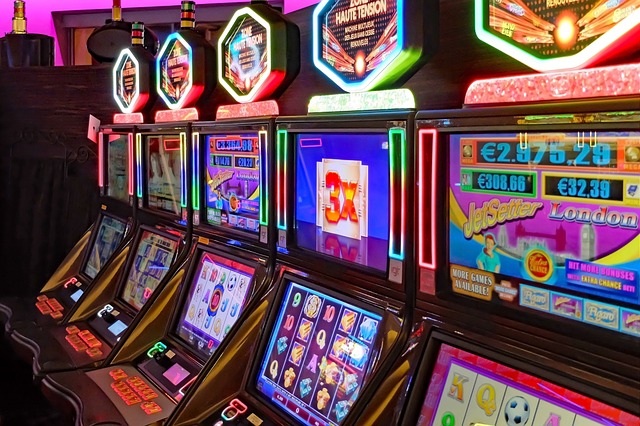
Slot machines are designed to engage multiple senses simultaneously. Bright visuals, vibrant colors, dynamic animations, and themed graphics create a visually stimulating environment. Sound effects, including jingles, celebratory noises, and spinning reels, reinforce the excitement of potential wins.
Cognitively, features like streak counters, progress bars, or bonus rounds give players a sense of progression and achievement. These triggers exploit the brain’s reward system, making the act of playing inherently pleasurable regardless of actual winnings.
Game Mechanics and Perceived Control
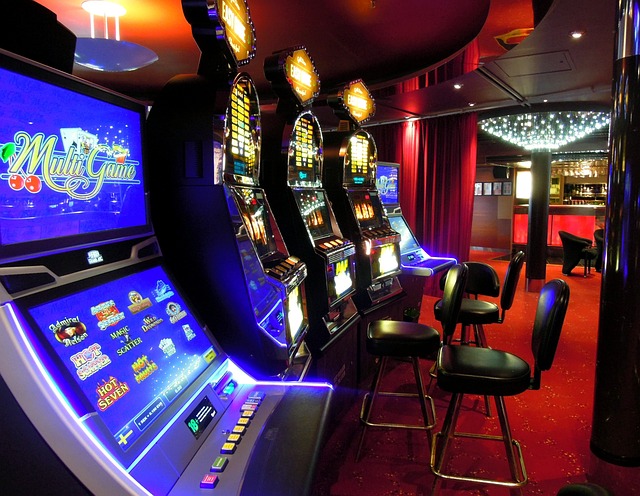
Modern slots often incorporate elements that give players a sense of control, even though outcomes are random. Features such as:
- Stop buttons that simulate skill influence over spin results.
- Bonus pick rounds where players choose symbols or objects.
- Interactive mini-games that appear during wins.
These mechanics increase engagement by making players feel their actions impact the outcome, even when the game is ultimately governed by a Random Number Generator (RNG).
Visual Design and Theme Psychology
Themes play a significant role in attraction and retention. Adventure, fantasy, or movie-based slots draw players through familiarity and storytelling. Symbols, backgrounds, and characters are carefully chosen to evoke emotions, nostalgia, or excitement.
Color psychology is also considered: warm colors like red and gold often signal luck and excitement, while blue can create a calming environment conducive to longer play sessions. Subtle design choices guide attention and influence decision-making.
The Role of Jackpot Structures
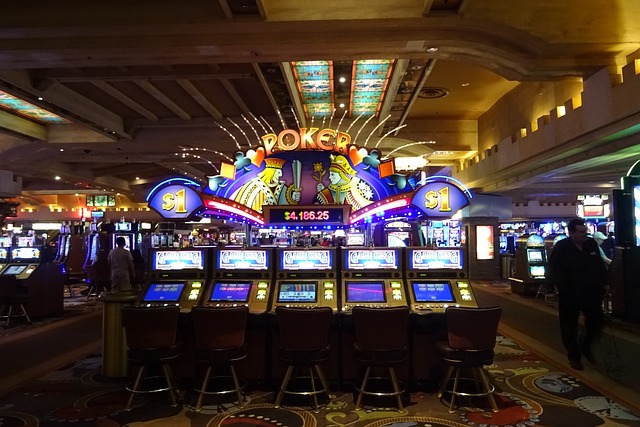
Jackpots and progressive payouts are powerful psychological motivators. The possibility of a life-changing win encourages risk-taking and extended play. Designers balance jackpot frequency, size, and visibility to maximize excitement without significantly impacting profitability.
Visual indicators of potential jackpots, like flashing lights or counters showing accumulated amounts, exploit the human tendency to focus on potential gains rather than likely losses. This is a key reason progressive slots are among the most compelling and addictive.
Responsible Design Considerations
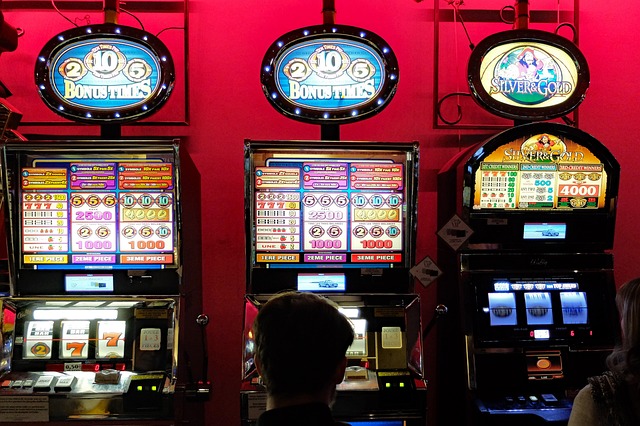
While psychology is used to enhance engagement, responsible design should consider player well-being. Features like session timers, loss limits, and reminders to take breaks can mitigate compulsive behavior. Casinos that incorporate responsible gaming tools help maintain a safer environment without eliminating the appeal of slots.
Conclusion
The psychology behind slot machine design is a combination of behavioral reinforcement, sensory stimulation, perceived control, and engaging themes. Understanding these principles helps players approach slots more consciously, recognize why they are drawn to certain games, and make informed decisions about how long and how often to play. Slot machines are designed to be entertaining, but awareness of the psychological mechanisms at work can protect players from unintentional overindulgence.